DebunkedShown to be false, a hoax or a misreading.
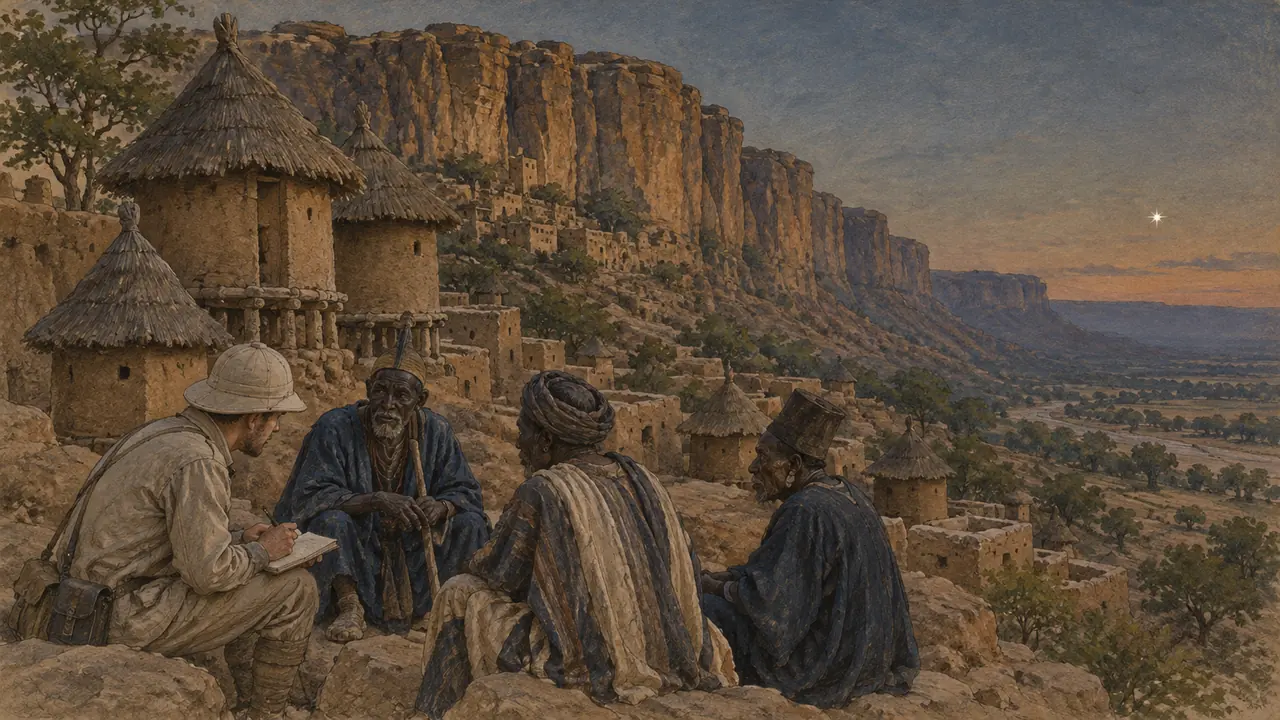
The claim
"The Dogon knew about the invisible star Sirius B because aliens told them."
Where the idea comes from
French anthropologists Marcel Griaule and Germaine Dieterlen reported Dogon lore about a companion of Sirius; Robert Temple's 1976 book "The Sirius Mystery" made it an alien story.

What the evidence shows
- Sirius B was discovered in 1862 and photographed in 1970; it was widely reported in Europe and its colonies long before the Dogon interviews.
- The Dogon had contact with missionaries, schools and colonial officials, any of whom could have mentioned it.
- A Dutch team led by anthropologist Walter van Beek re-studied the Dogon over a decade and reported in 1991 that they found no knowledge of a companion star.
- Some of the reported "knowledge" is wrong, such as a third star in the Sirius system, which has not been found.
What is still open
How much of the original reporting came from a few informants or from the researchers' questions is still discussed by anthropologists.
Our verdict
Debunked The "secret knowledge" wasn't found again and could easily have come from Europe.
Sources
Checked 31 October 2026. Spotted a newer source? Tell us.
Advertisement
More from Ancient aliens
See all ExplainedThe Great Pyramid of Gizac. 2560 BC · EgyptHumans couldn't have cut, moved and stacked 2.3 million blocks with Bronze Age tools.
 ExplainedThe Nazca Lines500 BC to AD 500 · PeruGiant drawings only visible from the air must have been runways or signals for ancient astronauts.
 ExplainedPuma Punku's precise stonesc. AD 500 to 600 · Tiwanaku, BoliviaThe H-shaped blocks are cut so precisely they must have been machined.
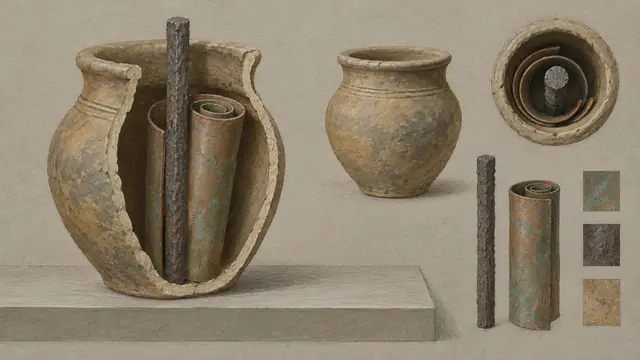 ExplainedThe "Baghdad Battery"c. 2,000 years old · IraqA clay jar with a copper tube and iron rod was an ancient battery, maybe from visitors.
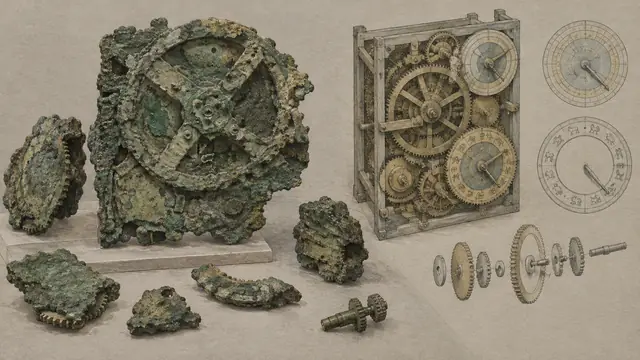 ExplainedThe Antikythera mechanismc. 150 to 60 BC · GreeceA bronze gear computer from ancient Greece is too advanced to be human.
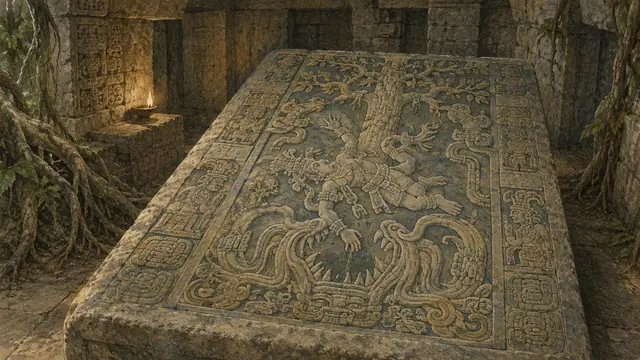 DebunkedThe Palenque "astronaut"AD 683 · MexicoKing Pakal's tomb lid shows an astronaut at the controls of a rocket.