The verdict so far
Billions of habitable-zone planets and a few disputed hints of life, but no signal from anyone, so far.
Checked 31 October 2026. Scores measure the strength of evidence that aliens are involved, not whether the topic is interesting.
Drake equation calculator
Frank Drake wrote it in 1961 to organise our ignorance. Move the sliders, or try a preset.
30.0 civilisations sending signals in our galaxy right now
The nearest would be about 6,396 light years away.
N = R* × fp × ne × fl × fi × fc × L. Only the first two are measured well today; the rest are guesses, which is the point.
Signals and biosignatures
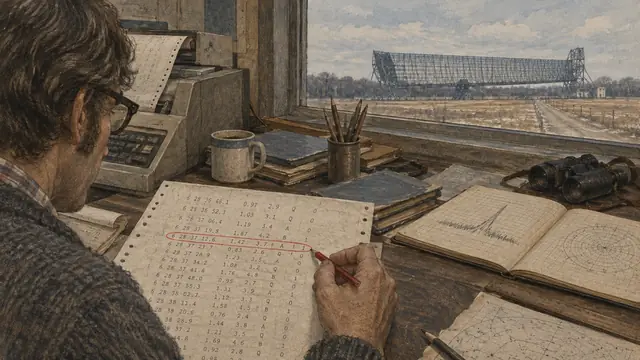 UnprovenThe Wow! signalAugust 1977 · Big Ear telescope, OhioA 72-second radio burst was the best alien signal ever received.
 Explained"Little Green Men 1"1967 · Cambridge, EnglandA radio pulse ticking every 1.3 seconds was an alien beacon.
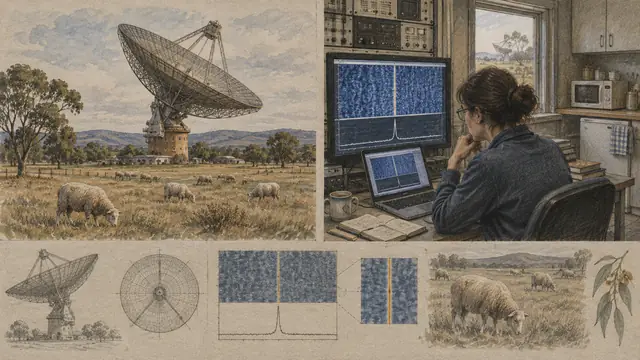 ExplainedBLC1 from Proxima Centauri2019, analysed 2021 · Parkes telescope, AustraliaA narrow radio signal seemed to come from our nearest star.
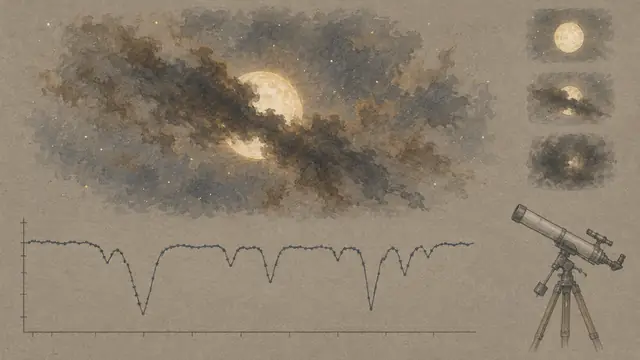 ExplainedTabby's Star2015 to 2018 · KIC 8462852A star dimming by up to 22% could be surrounded by an alien megastructure.
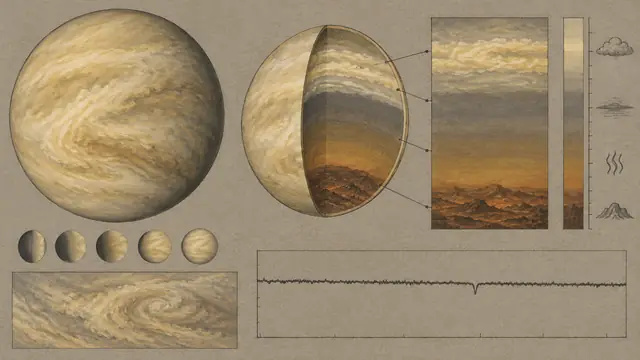 UnprovenPhosphine on VenusSeptember 2020 · VenusA gas made by microbes on Earth was found in Venus's clouds.
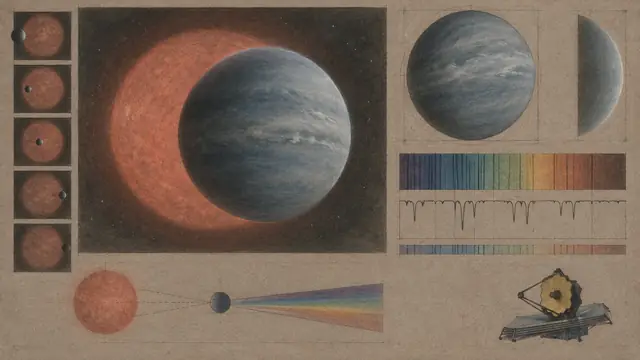 Worth watchingK2-18b and dimethyl sulfideApril 2025 · 124 light years awayThe James Webb telescope found a gas that on Earth only life makes.
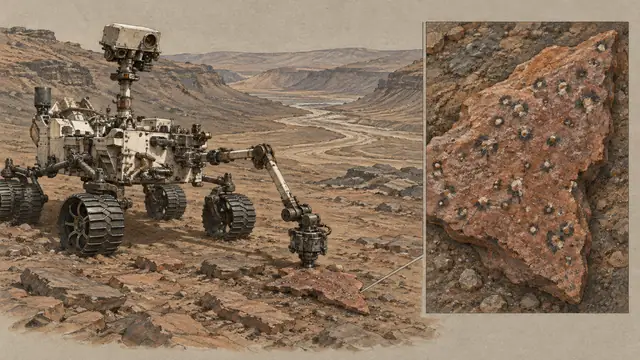 Worth watchingMars: the "leopard spots" of Cheyava FallsJuly 2024; paper September 2025 · Jezero Crater, MarsNASA's rover found the clearest sign of ancient life on Mars.
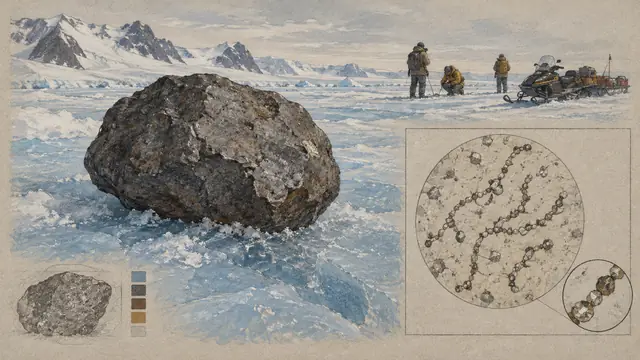 ExplainedThe Mars meteorite ALH840011996 · Found in AntarcticaTiny worm-like shapes in a Martian meteorite are fossil bacteria.
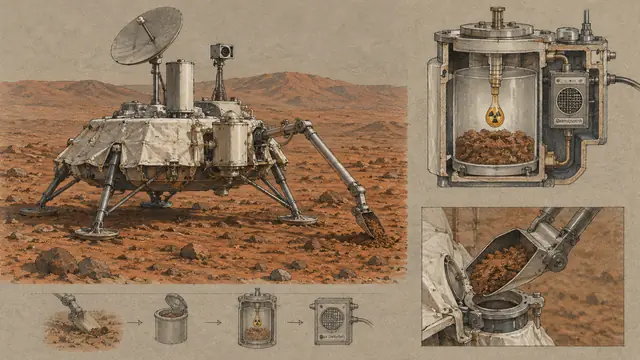 ExplainedThe Viking life experiment1976 · MarsNASA's Viking landers detected life on Mars and NASA ignored it.
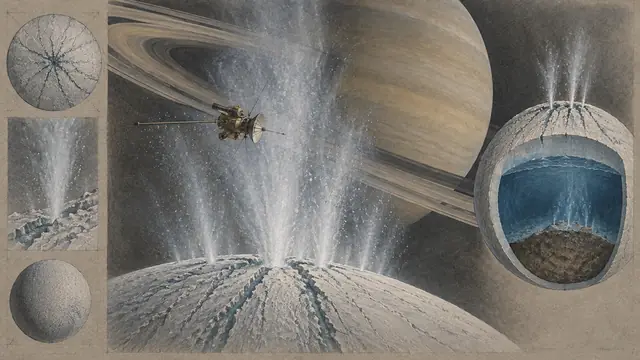 Worth watchingEnceladus's ocean plumes2005 to 2023 · Saturn's moonSaturn's icy moon has everything life needs.
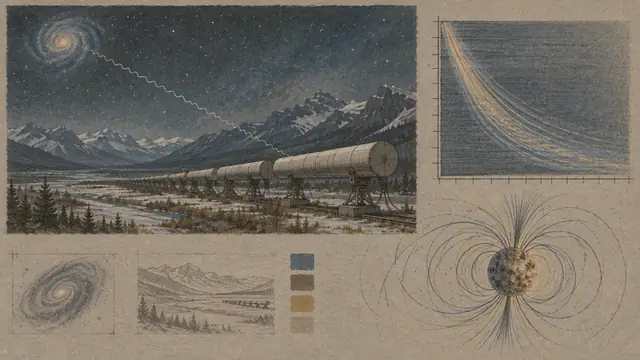 ExplainedFast radio bursts2007 to now · Distant galaxiesMillisecond radio flashes from deep space could be alien transmitters.
By the numbers
The Fermi paradox: so where is everybody?
In 1950 physicist Enrico Fermi asked over lunch why, in a galaxy this old and this big, nobody has visited or called. The main answers:
- Life is rare. Simple life may be common but complex, intelligent life very rare (the "Rare Earth" idea).
- The Great Filter. Something stops almost every civilisation, before or after it gets clever. The worrying question is whether that filter is behind us or ahead of us.
- Space is huge and we've barely looked. SETI has searched a tiny fraction of the sky, frequencies and time. Our own radio leak fades into noise within a few light years.
- They're quiet. Maybe advanced civilisations don't use radio, or keep their heads down (the "dark forest").
- We're early. The universe will last trillions of years; we may be among the first.
All the Fermi paradox scenarios, ranked by how seriously scientists take them
What would change our minds
A repeating, narrow signal confirmed by a second telescope, or a biosignature in a planet's air at high confidence with no non-living explanation. Webb, the Habitable Worlds Observatory and Europa Clipper are designed to get closer.
Watch
 ▶NASA shares the Perseverance "potential biosignature" findingNASA · 2025
 ▶Strongest evidence yet of life on a distant planet?BBC News · 2025
 ▶NASA shares images of interstellar comet 3I/ATLASNASA · 2025
 ▶Analysis of an intriguing signal (BLC1)Breakthrough · 2021
 ▶Brian Cox investigates a potential alien signalBBC · 2021
 ▶The Fermi Paradox: where are all the aliens?Kurzgesagt · 2015
 ▶The Fermi Paradox II: solutions and ideasKurzgesagt · 2015
 ▶The Great FilterKurzgesagt · 2018
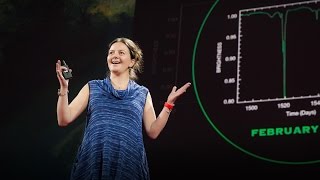 ▶The most mysterious star in the universeTED · 2016