ExplainedA solid ordinary explanation fits the evidence.
The claim
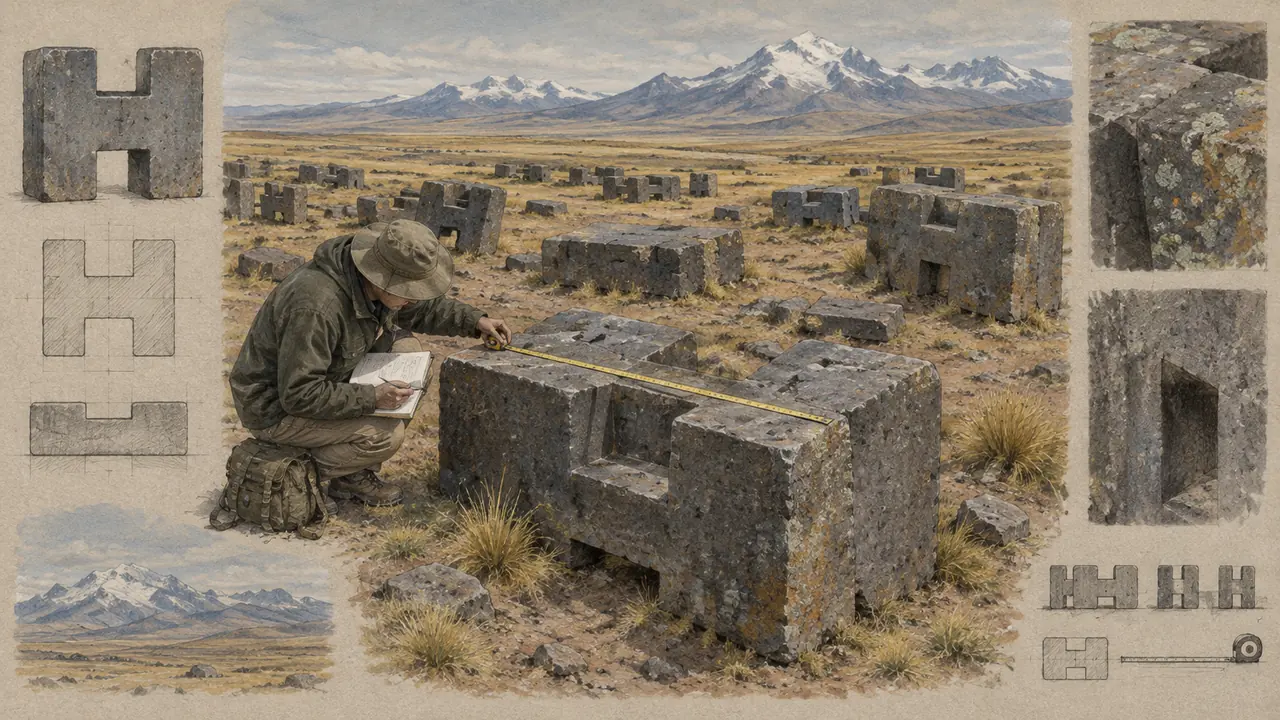
"The H-shaped blocks are cut so precisely they must have been machined."
Where the idea comes from
A favourite of "Ancient Aliens", which highlighted the repeated, interchangeable H-blocks and smooth faces.
What the evidence shows
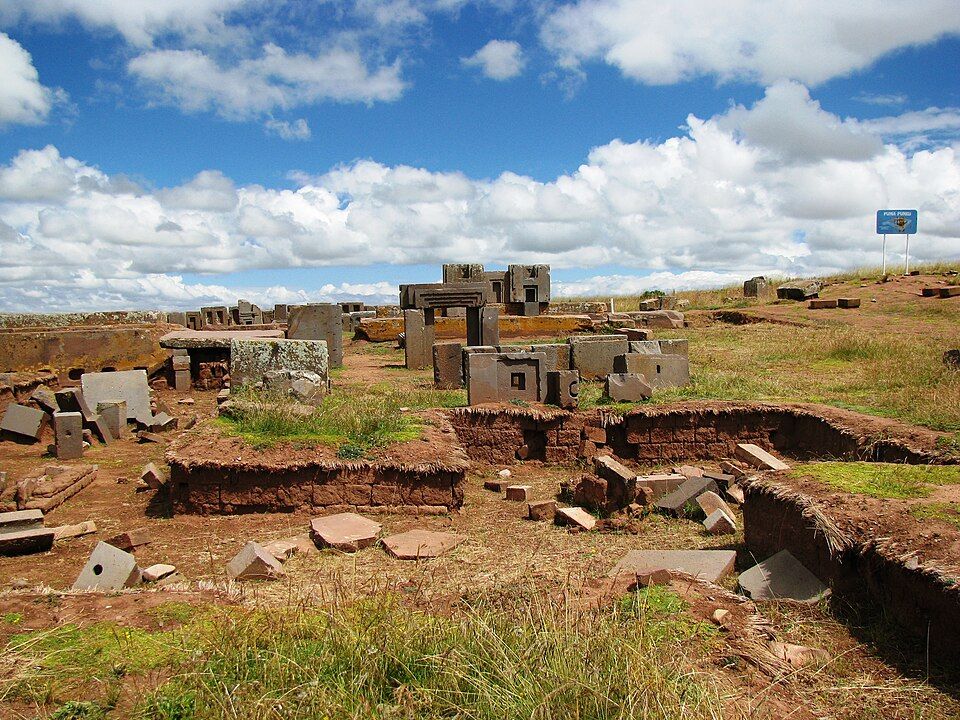
- The stones are red sandstone and grey andesite, both workable with harder hammerstones, sand and water as an abrasive, and grinding. Tool marks and unfinished pieces remain.
- Identical H-blocks point to the use of templates, a technique also found in Inca and Egyptian work.
- The blocks were held with I-shaped metal cramps. Analysis shows some were poured molten into the cut sockets on site, using a portable smelting technique.
- The site was never finished, was damaged by earthquakes, and was quarried for building stone for centuries, which is why it looks like a scattered puzzle.
What is still open
Some details of the masonry techniques and the building's original layout are still being reconstructed.
Our verdict
Explained Skilled stonemasons with templates and abrasives, not machine tools.
Sources
Checked 31 October 2026. Spotted a newer source? Tell us.
Advertisement
More from Ancient aliens
See all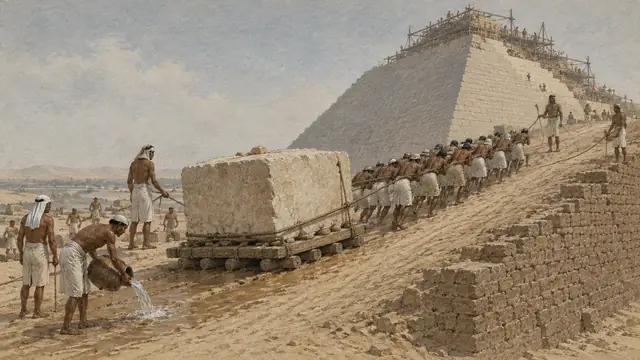 ExplainedThe Great Pyramid of Gizac. 2560 BC · EgyptHumans couldn't have cut, moved and stacked 2.3 million blocks with Bronze Age tools.
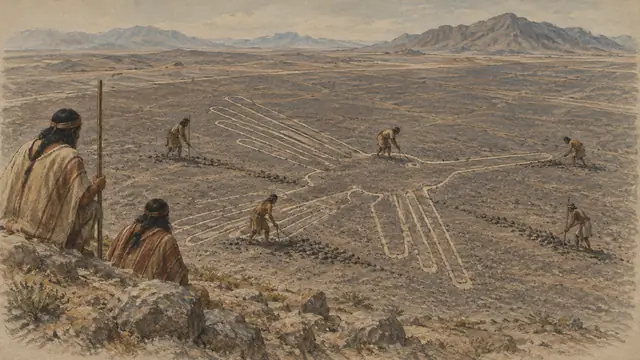 ExplainedThe Nazca Lines500 BC to AD 500 · PeruGiant drawings only visible from the air must have been runways or signals for ancient astronauts.
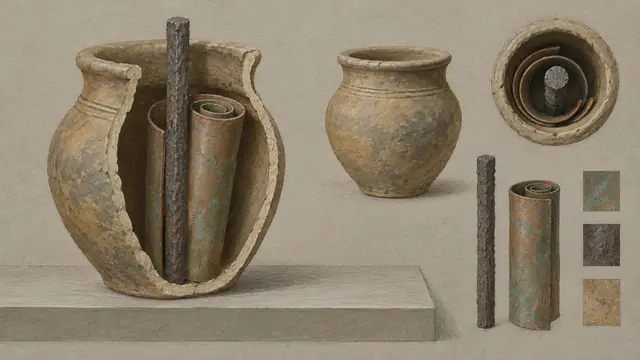 ExplainedThe "Baghdad Battery"c. 2,000 years old · IraqA clay jar with a copper tube and iron rod was an ancient battery, maybe from visitors.
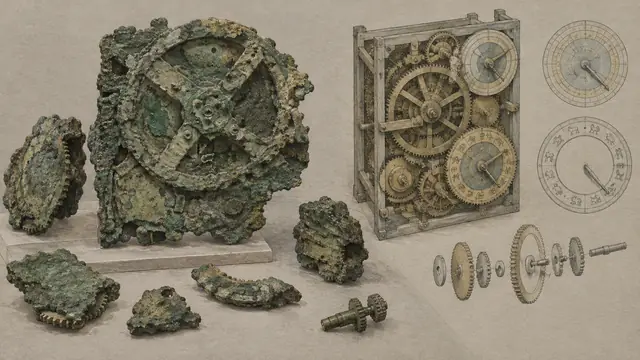 ExplainedThe Antikythera mechanismc. 150 to 60 BC · GreeceA bronze gear computer from ancient Greece is too advanced to be human.
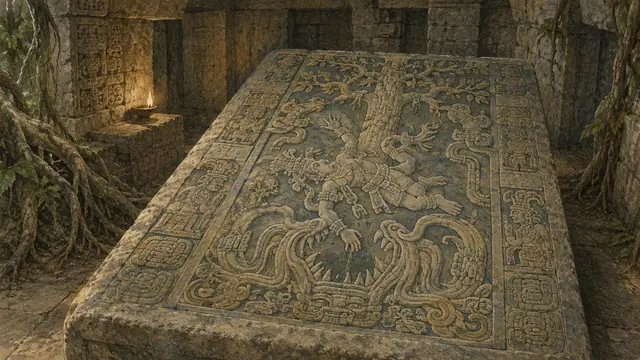 DebunkedThe Palenque "astronaut"AD 683 · MexicoKing Pakal's tomb lid shows an astronaut at the controls of a rocket.
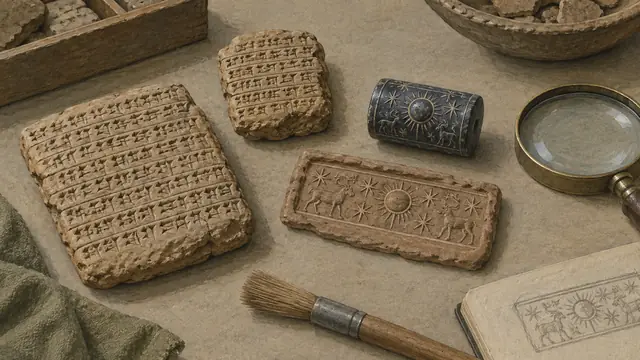 DebunkedThe Anunnaki and planet NibiruSumer, c. 3000 BC · IraqSumerian tablets record aliens from a hidden planet, Nibiru, who created humans.