ExplainedA solid ordinary explanation fits the evidence.

The claim
"A radio pulse ticking every 1.3 seconds was an alien beacon."
Where the idea comes from
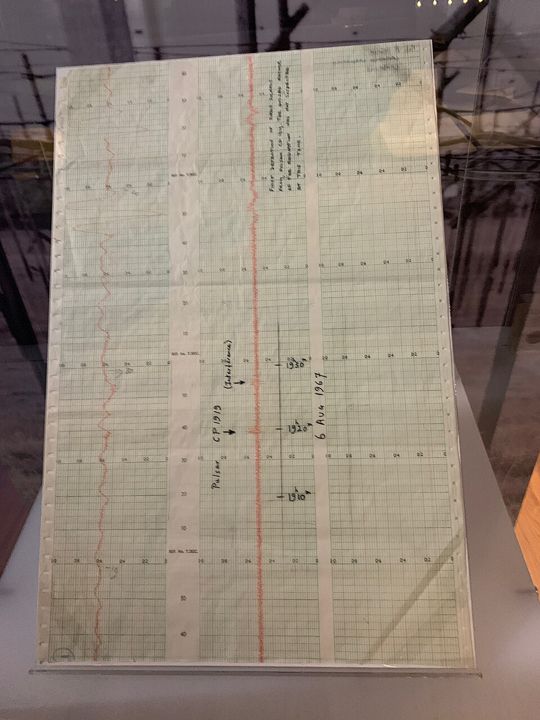
PhD student Jocelyn Bell Burnell found a regular "scruff" on chart recordings; the team half-jokingly labelled it LGM-1.
What the evidence shows
- The pulses were too regular for any known natural source, which is why aliens were briefly considered.
- Finding similar sources elsewhere in the sky made aliens unlikely: it was a new type of star.
- It was the first pulsar, a rapidly spinning neutron star. The discovery earned a Nobel Prize in 1974 (for Antony Hewish, controversially not Bell Burnell).
What is still open
Nothing; a textbook example of science doing its job.
Our verdict
Explained A spinning dead star, not a beacon.
Sources
Checked 31 October 2026. Spotted a newer source? Tell us.
Advertisement
More from Life in the cosmos
See all UnprovenThe Wow! signalAugust 1977 · Big Ear telescope, OhioA 72-second radio burst was the best alien signal ever received.
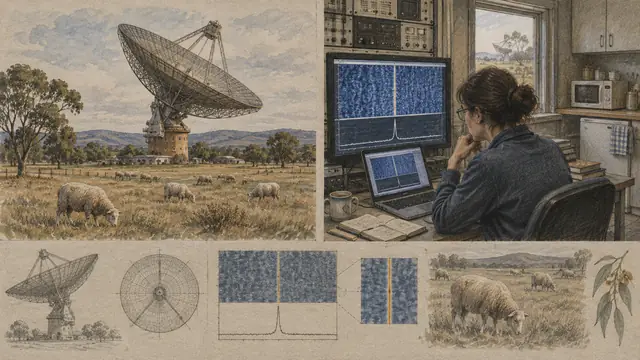 ExplainedBLC1 from Proxima Centauri2019, analysed 2021 · Parkes telescope, AustraliaA narrow radio signal seemed to come from our nearest star.
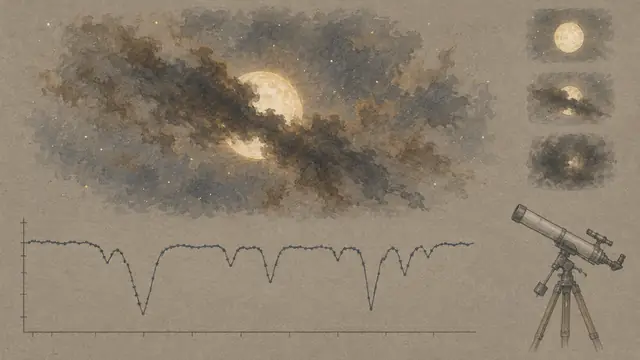 ExplainedTabby's Star2015 to 2018 · KIC 8462852A star dimming by up to 22% could be surrounded by an alien megastructure.
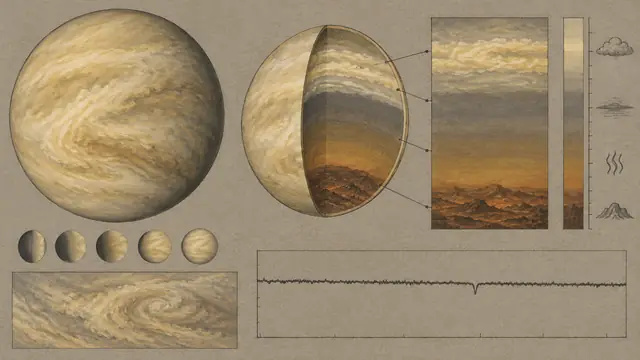 UnprovenPhosphine on VenusSeptember 2020 · VenusA gas made by microbes on Earth was found in Venus's clouds.
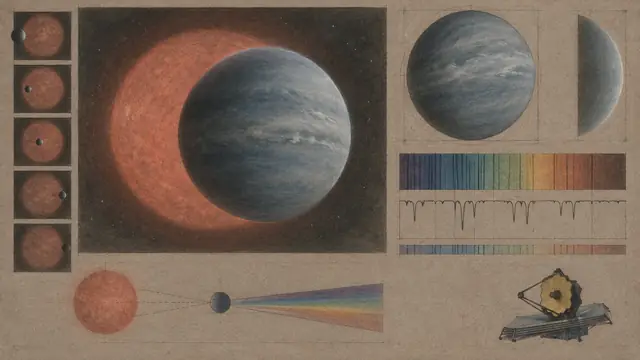 Worth watchingK2-18b and dimethyl sulfideApril 2025 · 124 light years awayThe James Webb telescope found a gas that on Earth only life makes.
 Worth watchingMars: the "leopard spots" of Cheyava FallsJuly 2024; paper September 2025 · Jezero Crater, MarsNASA's rover found the clearest sign of ancient life on Mars.